

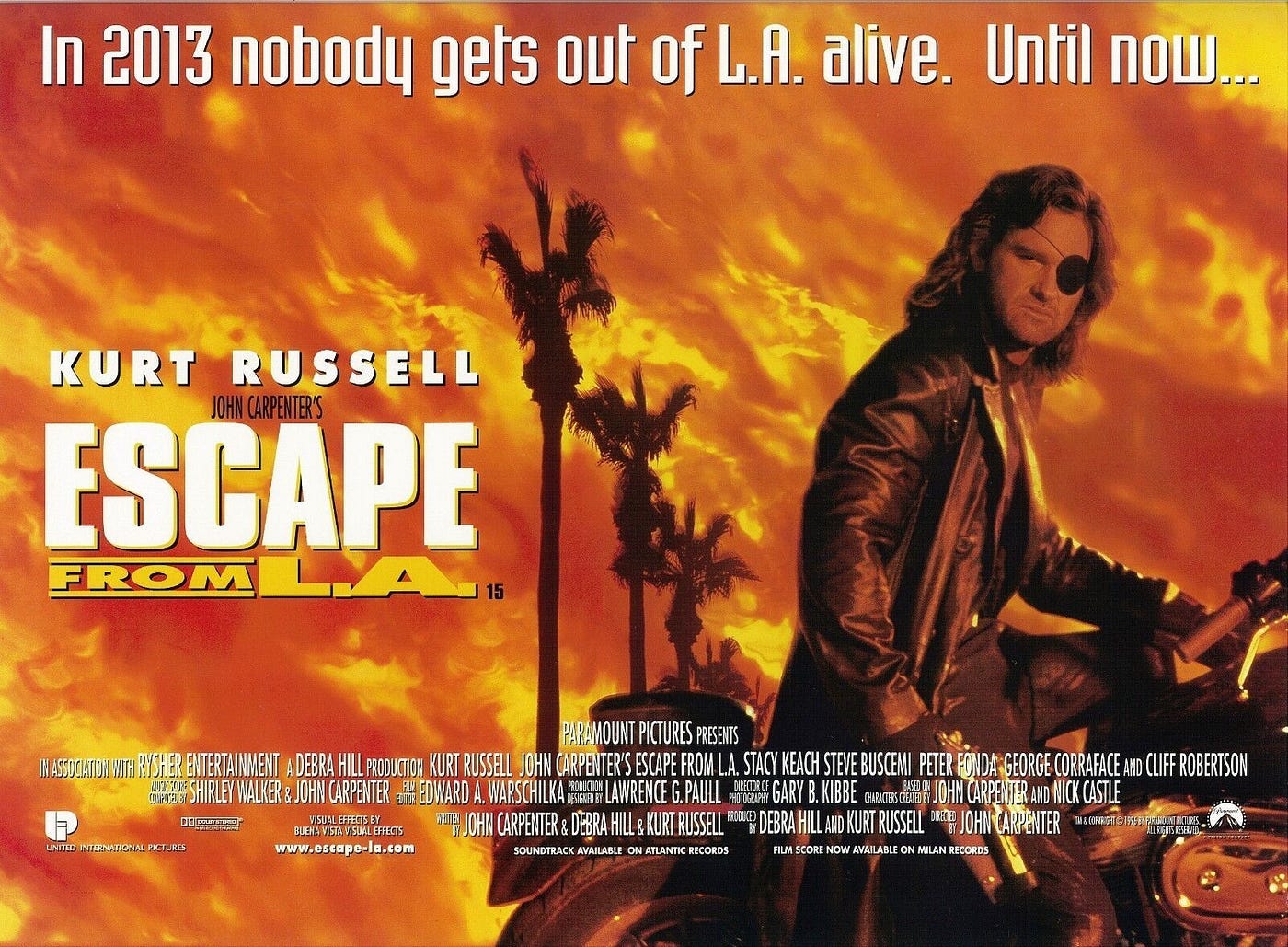
California Attorney General Rob Bonta has settled his litigation with David Ellison, ending a long-shot bid to delay or disrupt the merger and acquisition of Warner Brothers by Paramount Skydance.
Ellison is required by the agreement to do everything he was already doing, such as making “blockbusters”, but now according to a formula devised by state attorneys general, who are of course sure to be experts at such matters.
Leave aside the politics and the properties, however, and the move out of Los Angeles remains the same. Ellison has reportedly lived in the Nashville area for over a decade, giving him more than enough time to consider a move from Los Angeles, and Bonta’s lawsuit has reportedly finalized his decision to do that. Both push and pull factors are at work in this decision, if true.
This move is still going to happen, I believe, even though Bonta has stopped trying to fight it, because the logistics of the move favor Paramount’s business interests. The ‘triangle’ of Austin, Nashville, and Atlanta has advantages versus Los Angeles for movement of people, machines, and ideas from office to lot to set. It reduces exposure to political risks. We just saw a demonstration of that principle.
There are other risks that get reduced by the move. Much attention is paid to California tax incentives, location shooting headaches in Los Angeles, and red tape. All of those analyses are legitimate, but mine is a specialized application of military-historical research. The starting point of my analysis is the friction created by the city of Los Angeles against the corporate movement of Paramount assets on a daily production basis through sheer transportation geography. LA is the prison that keeps Paramount incarcerated.
In city planning, this is called the ‘last mile problem’: the part of any journey between LAX and any part of Hollywood, including Burbank or Paramount Studios, that is spent in traffic gridlock. Both major highways add at least an hour of overland travel time to any flight, to or from LAX to Paramount. Burbank has its own airport, of course, and Southwest has flights to and from Austin and Nashville from it, but this hardly alleviates the highway congestion.
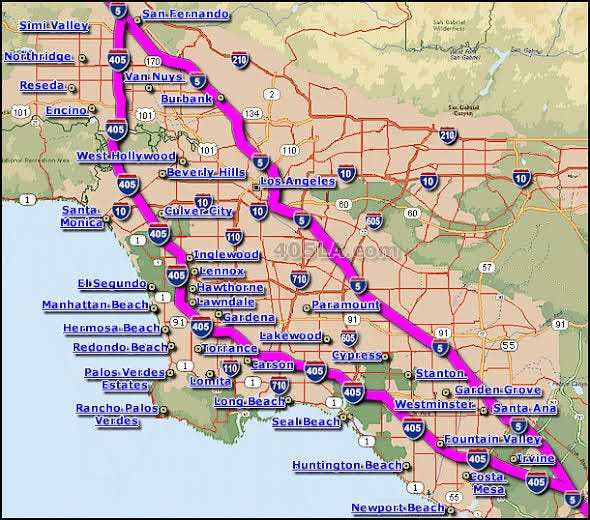
By personal comparison, the drive time between Nashville and Atlanta is about as long as the drive time across the length of LA, roughly four hours. A Nashville executive can visit a set in Atlanta and return the same day in a company vehicle just as easily as an executive in LA can visit a set in the outskirts of Los Angeles and return on any given day in the same vehicle.
Presently, a crew lands on the ground in LA and burns union hours before the camera ever rolls. In all three cities of the triangle, the airport is already at the gateway to production centers. Intermodal linkage provides a robust ‘triangle network’ of highways and airports that lead from airport to doorstep, wherever shooting locations are. The benefits accrue most if Paramount moves production machinery out of the LA basin gradually, over the next 4-5 years, to Austin.
My theory is testable — eventually. These changes will take years to become visible. If I am correct, the center of mass of the Paramount motor pool will shift east, to the geographic center of the American interstate highway network. A robust production network will connect each node of cultural production, old and new, to the whole country with higher efficiency, so that Paramount can take advantage of any production tax incentive anywhere in America — or the world.
While this new system will have a direct economic impact, likely saving Paramount hundreds of millions of dollars over a decade, that fiscal impact is a rounding error compared to the more significant savings in opportunity costs identified here. In order to make the promised 30-32 movies a year that the merged company is obliged to make by all the merger terms now agreed, and still make a profit, Ellison needs a flexible, hardened, ready-made logistical network — one that includes LA, but without being locked inside the Hollywood penitentiary.
Here ends my executive summary. Premium subscribers have access to the full analysis below.
